
Best Time to Visit Uganda for Birding: A Season-by-Season Guide
Short answer: there isn't a bad month. Long answer: here's how to time your trip to your target species.
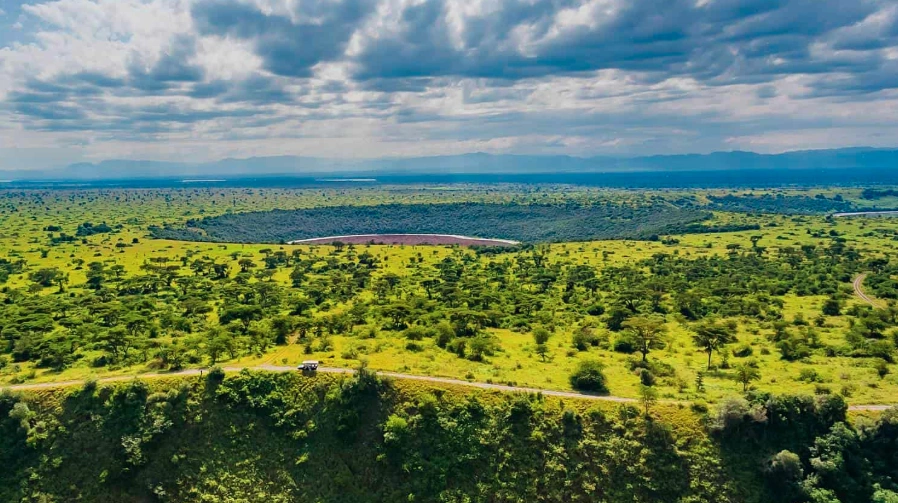
Uganda's straddling of the equator means birding is genuinely a twelve-month affair.
One of the most common questions we get at Nile Abenteuer Safaris is: "When's the best time to come?" It's a fair question — and a genuinely good problem to have, because unlike destinations with a short, sharply defined migration window, Uganda's location on the equator and its resident population of well over a thousand species mean there's rewarding birding here every single month of the year.
That said, timing does matter if you're chasing specific goals. Here's how we break it down for clients.
November to April: Palearctic Migrants Arrive
This is the window when European and Asian migrants escaping the northern winter pour into Uganda's wetlands and woodlands, adding species like the European roller, willow warbler, and a host of migrant waders to the resident list. If you want the single highest species count on a trip, this stretch — particularly December through February — is hard to beat.
December to February: The Short Dry Season
Drier trails, easier access to remote forest sites, and comfortable daytime birding conditions. Combined with the migrant arrivals above, this is our most heavily booked window for good reason.
March to May: The Long Rains
Quieter roads, lush green scenery, and excellent conditions for forest birding since fruiting and insect activity peaks — meaning more activity for species like turacos and broadbills. Rain tends to fall in short afternoon bursts rather than all-day downpours, so mornings are often still workable.
June to September: The Long Dry Season
Ideal for savannah parks like Queen Elizabeth and Murchison Falls, where dry conditions concentrate both game and birdlife around remaining water sources. This is also peak season for combining birding with gorilla and chimpanzee trekking, since forest trails are at their most manageable.
October: The Short Rains
A quieter, lower-traffic month with good breeding activity beginning in resident species — a favorite of repeat clients who prefer fewer other vehicles at key sites.
| Season | Months | Best For |
|---|---|---|
| Migrant arrivals | Nov – Apr | Highest species counts, wetland birding |
| Short dry season | Dec – Feb | Easy access, comfortable conditions |
| Long rains | Mar – May | Forest birding, lush scenery, fewer crowds |
| Long dry season | Jun – Sep | Savannah parks, birding + primate treks |
| Short rains | Oct | Quiet trails, breeding activity begins |
Our Honest Take
If forced to pick one window for a first-time visitor chasing the widest possible list, we'd point you toward December through February. But we've run outstanding trips in every single month of the calendar — the shoebill doesn't migrate, the Albertine Rift endemics don't leave, and Uganda's resident diversity means there's always something worth flying in for.
Tell us your target species and travel window.
Let Nile Abenteuer Safaris build your season-perfect itinerary →