
Ultimate Uganda Gorilla Trekking Knowledge Hub
Executive Summary & Quick Reference
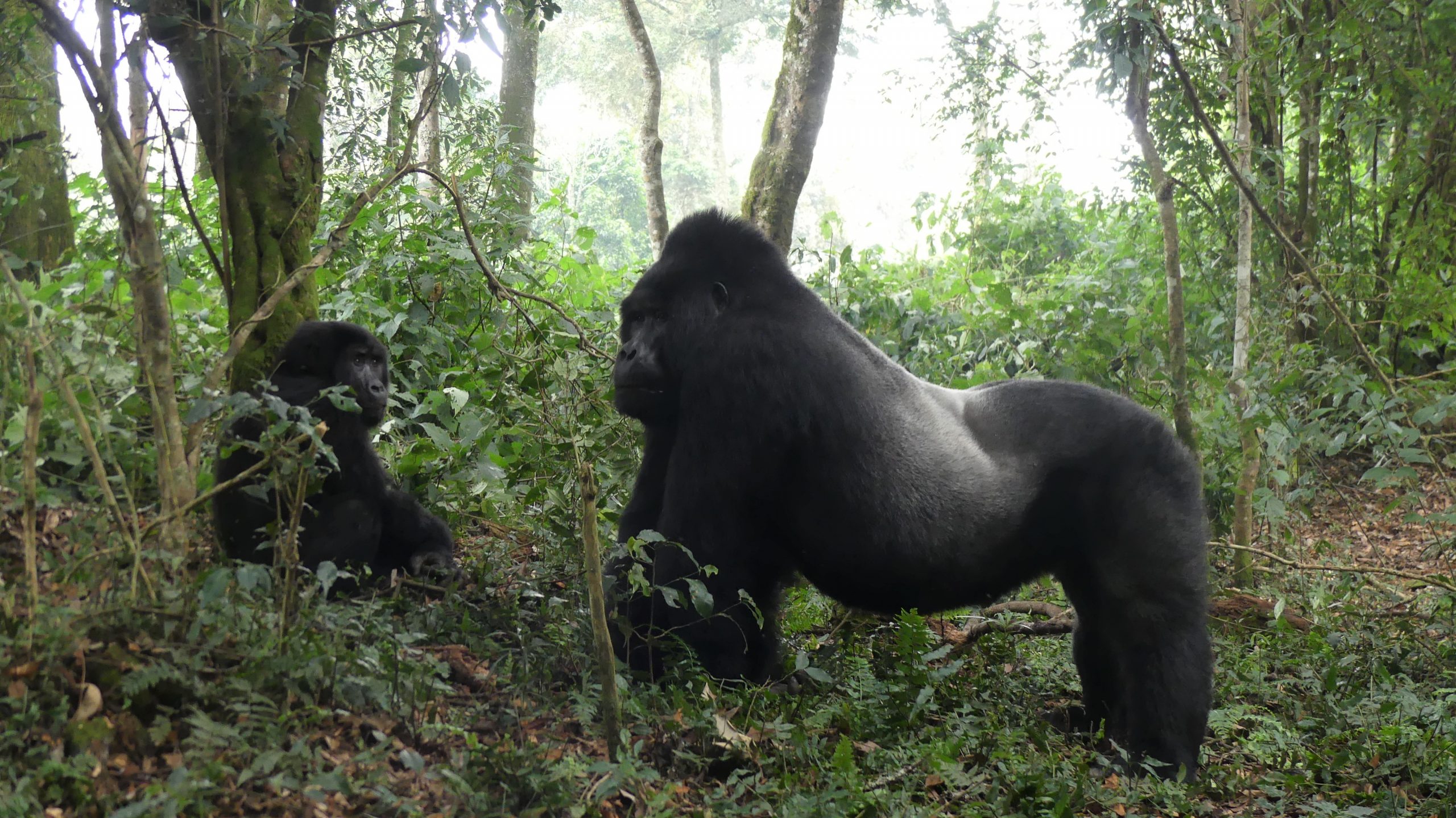
Mountain gorilla trekking in Uganda occurs in two protected afro-montane national parks in the country's southwestern sector: Bwindi Impenetrable National Park and Mgahinga Gorilla National Park. Uganda shelters over half of the global wild mountain gorilla population, offering world-class trekking experiences across four distinct sectors in Bwindi (Buhoma, Ruhija, Rushaga, Nkuringo) and the volcanic slopes of Mgahinga.
Under the 2026/2027 Uganda Wildlife Authority (UWA) regulatory framework, a standard gorilla tracking permit costs USD 800 per person for Foreign Non-Residents. Low-season promotional permits are available in April, May, and November for USD 600 per permit. For guests seeking extended scientific observation, the Gorilla Habituation Experience in southern Bwindi costs USD 1,800 per person (effective January 1, 2027) and allows up to four hours with a semi-habituated gorilla family. Permits must be secured well in advance through a licensed Ugandan tour operator such as Nile Abenteuer Safaris.
Fast Facts: Gorilla Expeditions Uganda
Introduction: Standing in the Presence of Giants
Deep within the ancient afro-montane cloud forests of southwestern Uganda lives one of the world's most impressive wildlife populations: the endangered mountain gorilla (Gorilla beringei beringei). Pushed to the brink of extinction during the late 20th century due to habitat loss, poaching, and regional instability, mountain gorillas have staged a remarkable comeback thanks to intensive cross-border conservation, strict community engagement policies, and sustainable tourism funding.
Today, Uganda stands as the premier global sanctuary for mountain gorilla conservation. Home to over half of the earth's remaining mountain gorillas, the country offers travelers an unmatched, highly controlled wilderness encounter. Stepping past damp moss-draped branches, navigating wild forest vines, and coming face-to-face with a 400-pound silverback gorilla resting quietly in his native habitat is a profound experience.
At Nile Abenteuer Safaris, we approach gorilla trekking not merely as a tour itinerary, but as an expedition designed to connect our guests with vital conservation efforts. This Ultimate Knowledge Hub synthesizes ecological research, regulatory updates, field logistics, and practical planning advice to serve as the definitive guide for your gorilla expedition in Uganda.
1. Geography and Habitats: Bwindi Impenetrable vs. Mgahinga Gorilla National Park
Uganda's mountain gorillas inhabit two separate, highly protected national parks situated along the Albertine Rift Valley: Bwindi Impenetrable National Park and Mgahinga Gorilla National Park. Understanding the subtle differences between these environments is essential when structuring your itinerary.
Bwindi Impenetrable National Park
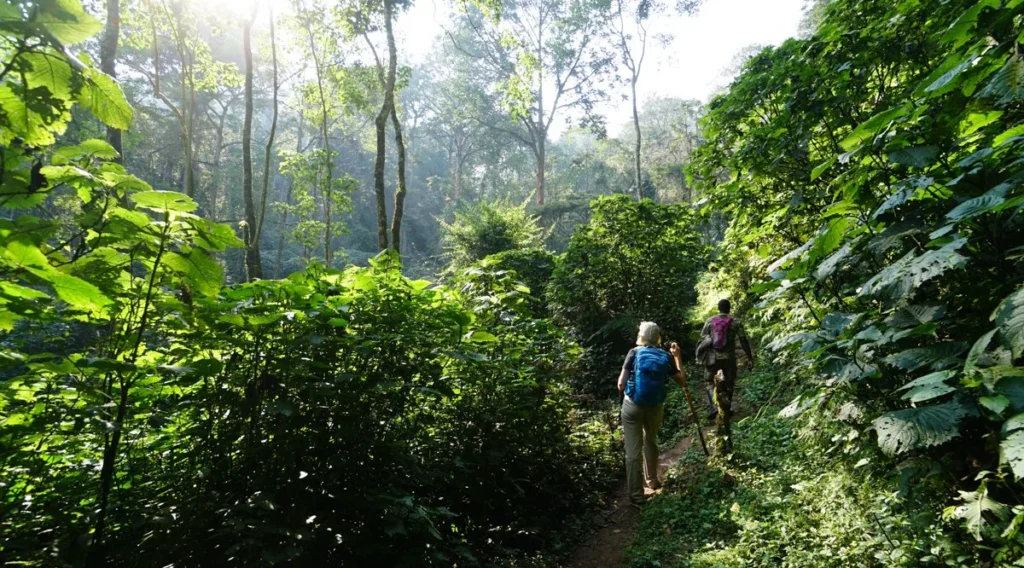
A UNESCO World Heritage site covering 321 square kilometers, Bwindi is one of Africa's oldest and most biologically diverse ecosystems, dating back over 25,000 years. The park ranges in elevation from 1,160 meters to 2,607 meters above sea level, featuring rugged ridges, deep valleys, and dense rainforest canopies. Bwindi is divided into four distinct operational sectors, each with its own park headquarters, gorilla family groups, and lodge bases:
- Buhoma Sector (Northern Bwindi): The historic birthplace of gorilla tourism in Uganda, where the very first habituated family (the Mubare group) was tracked in 1993. Buhoma features gentler lower-altitude terrain, excellent road access, and Uganda's most established luxury lodges.
- Ruhija Sector (Eastern Bwindi): Situated at higher elevations (average 2,350 meters), Ruhija offers cooler climates, sweeping valley vistas, and outstanding birdwatching opportunities. The trails here are steeper and require good physical stamina.
- Rushaga Sector (Southern Bwindi): Home to the highest concentration of habituated gorilla families in Uganda. Rushaga features dramatic ridgelines and is the exclusive location for the specialized Gorilla Habituation Experience.
- Nkuringo Sector (Southern Bwindi): Renowned for its dramatic panoramic views looking across to the Virunga Volcanoes and the Congo basin. Nkuringo presents physically challenging terrain, requiring steep descents into the forest and rewarding hikes back out.
Mgahinga Gorilla National Park
Covering just 33.7 square kilometers, Mgahinga is Uganda's smallest national park, forming part of the larger 434-square-kilometer Virunga Conservation Area that spans Uganda, Rwanda, and the Democratic Republic of Congo. Mgahinga encompasses three extinct volcanic cones: Mount Muhabura (4,127m), Mount Gahinga (3,474m), and Mount Sabinyo (3,669m).
Tracking gorillas in Mgahinga takes place primarily through high-altitude bamboo zones and hyper-scenic sub-alpine vegetation. Mgahinga features one resident habituated family—the famous Nyakagezi family—renowned for its unusually high concentration of multiple silverbacks living in harmony within a single social group.
2. The 2026/2027 Uganda Gorilla Permit Framework and Tariffs
The Uganda Wildlife Authority (UWA) tightly controls gorilla tracking access to preserve forest ecology and protect habituated gorilla groups from human stress. Every guest entering the forest must hold a valid individual gorilla permit for a specified date and sector.
Uganda Gorilla Permit Tariff Schedule
Below are the official Uganda Wildlife Authority tariff schedules for standard tracking permits and specialized gorilla habituation permits:
| Visitor Residency Status | Standard Permit (High Season) | Standard Permit (Low Season Discount) | Gorilla Habituation Permit (2027 Tariff) |
|---|---|---|---|
| Foreign Non-Resident (FNR) | USD 800 | USD 600 (Apr, May, Nov) | USD 1,800 |
| Foreign Resident (Expats) | USD 700 | USD 500 (Apr, May, Nov) | USD 1,600 |
| Rest of Africa (ROA) Citizens | USD 500 | USD 500 | USD 1,000 |
| East African Community (EAC) | UGX 300,000 | UGX 300,000 | UGX 750,000 |
Booking Mechanics & Reservation Windows
To prevent speculative permit holding, UWA requires immediate full payment upon booking. Permits are issued with a unique identification number tied directly to your passport details. Because high-season months (June–August and December–February) sell out up to 8–10 months in advance, Nile Abenteuer Safaris recommends securing your permits as early as possible during your itinerary planning process.
3. Gorilla Trekking vs. The Gorilla Habituation Experience
When planning your expedition, one of the most important decisions is choosing between a standard gorilla trek and the advanced Gorilla Habituation Experience (GHEX).
| Feature Comparison | Standard Gorilla Trek | Gorilla Habituation Experience |
|---|---|---|
| Observation Time | Exactly 1 Hour | Up to 4 Hours |
| Maximum Group Size | 8 Tourists per Group | 4 Tourists per Group |
| Primate Habituation Status | Fully Habituated (Calm, predictable) | Semi-Habituated (Active, dynamic) |
| Accompanying Escort | UWA Park Rangers & Trackers | UWA Researchers, Trackers & Doctors |
| Available Locations | Buhoma, Ruhija, Rushaga, Nkuringo, Mgahinga | Rushaga Sector Only (Southern Bwindi) |
| Permit Cost (FNR) | USD 800 (USD 600 in Low Season) | USD 1,800 |
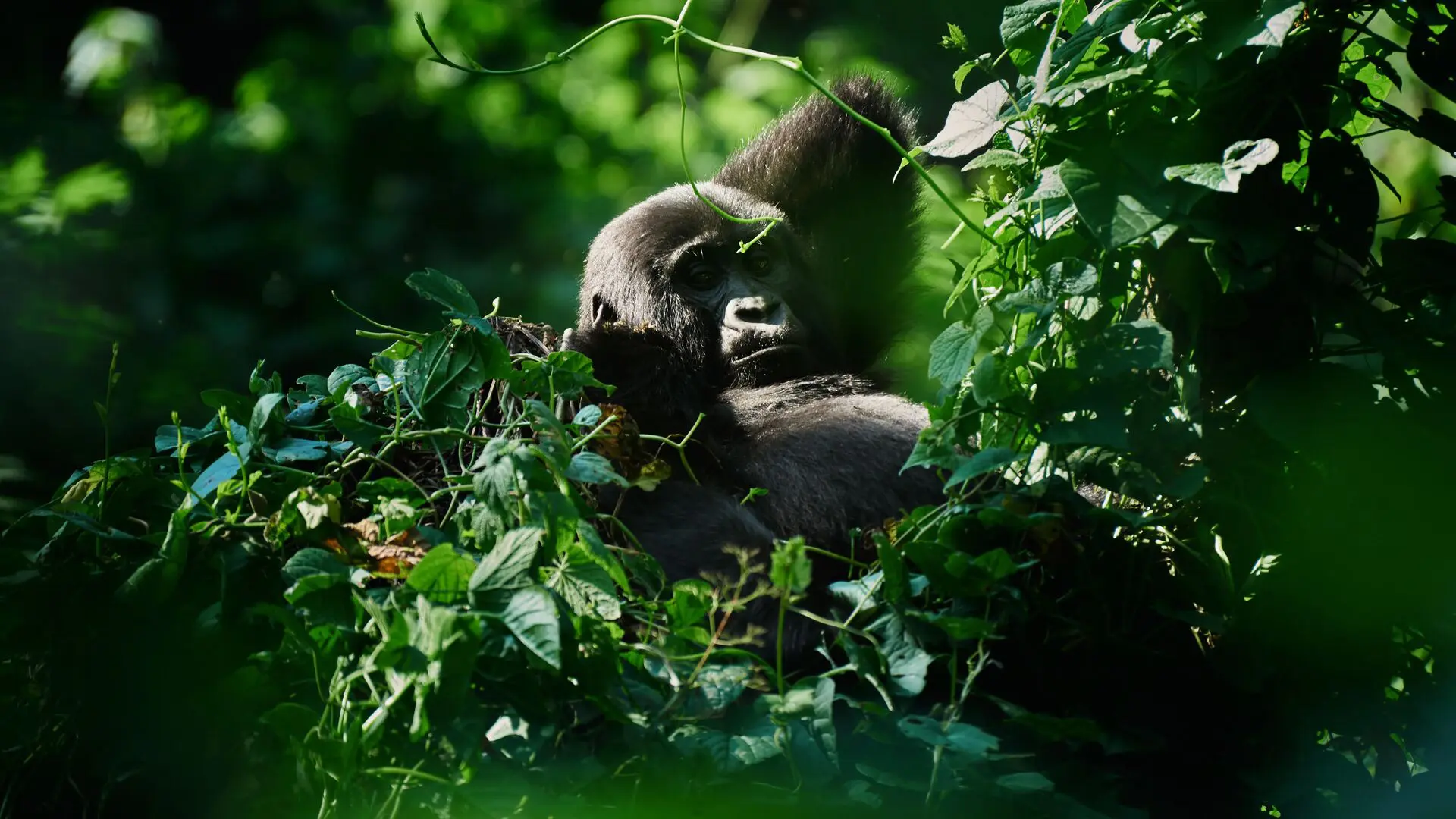
During the Gorilla Habituation Experience, visitors join UWA veterinary researchers and trackers in the field. You follow a semi-habituated family group that is still learning to tolerate human presence. You will observe research behaviors such as vocal mimicry, nest counting, gathering plant specimens, and documenting nose prints. Because these gorillas are semi-habituated, they move more frequently, offering an active, immersive look at wild primate behavior.
4. Physical Fitness, Altitude, and Terrain Preparation
Gorilla trekking takes place off marked trails in dense tropical vegetation. It is a physical hike that requires good balance, cardiovascular stamina, and leg strength.

Elevation and Terrain Challenges
Trekking altitudes range from 1,160 meters to over 2,600 meters above sea level. Trails cross steep volcanic ridges, muddy ravines, and slippery root networks hidden beneath forest leaf litter. Rain can occur at any time, instantly turning firm dirt paths into slick clay slopes.
6-Week Pre-Safari Conditioning Plan
- Cardiovascular Base: Complete 30–45 minutes of aerobic exercise (incline treadmill walking, stairmaster, or trail hiking) 3 to 4 times a week.
- Lower Body Strength: Perform weighted lunges, step-ups, squats, and calf raises to prepare your legs for steep ascents and descents.
- Footwear Conditioning: Wear your chosen hiking boots on all practice hikes to break them in thoroughly and avoid blisters on your trek.
The Local Porter Support Network
At every sector briefing point, local porters are available for hire. Hiring a porter for a modest fee of USD 15 to USD 20 (plus tip) provides key advantages:
- The porter carries your daypack, camera gear, and extra water, freeing up your energy for hiking.
- Porters provide steady hands across slippery stream crossings and steep muddy ascents.
- Hiring a porter directly supports the local economy around the national park, offering sustainable income to nearby families and former poachers.
5. Comprehensive Gorilla Expedition Packing List
Packing correctly ensures you stay dry, comfortable, and protected against insect bites and sharp forest vegetation. Here is our recommended equipment checklist:
| Category | Essential Item | Technical Specifications & Field Advice |
|---|---|---|
| Footwear | Waterproof Hiking Boots | High-cut boots with deep tread ankles. Ensure boots are fully broken-in and waterproofed with beeswax or silicone spray before your trip. |
| Gaiters | Mid-Calf Breathable Gaiters | Essential for preventing safari ants, mud, water, and debris from entering your boots while trekking off-path. |
| Clothing | Long-Sleeved Technical Shirts | Lightweight, moisture-wicking synthetic fabrics in earth tones (khaki, olive, tan). Avoid blue/black colors that attract tsetse flies, and avoid camouflage prints. |
| Legwear | Tough Synthetic Hiking Trousers | Durable ripstop material to protect your legs against stinging nettles, thorns, and brush. Tuck trousers into your socks or gaiters. |
| Hand Protection | Heavy-Duty Gardening Gloves | A key item. Gardening gloves protect your hands when grabbing muddy roots, vines, and thorny branches on steep trails. |
| Rain Gear | Gore-Tex Rain Jacket | A breathable, fully waterproof rain jacket with an adjustable hood. Bwindi is a tropical cloud forest where rain can fall at any time. |
| Daypack | 20L–30L Waterproof Daypack | Must include a built-in rain cover to protect your camera gear, extra water, rain jackets, and packed lunch. |
6. Disease Control, Primate Ethics, and Health Regulations
Because mountain gorillas share roughly 98.4% of human DNA, they are susceptible to human respiratory illnesses. Common human viruses can spread quickly through a wild gorilla family with serious consequences.
Uganda Wildlife Authority Health & Safety Rules
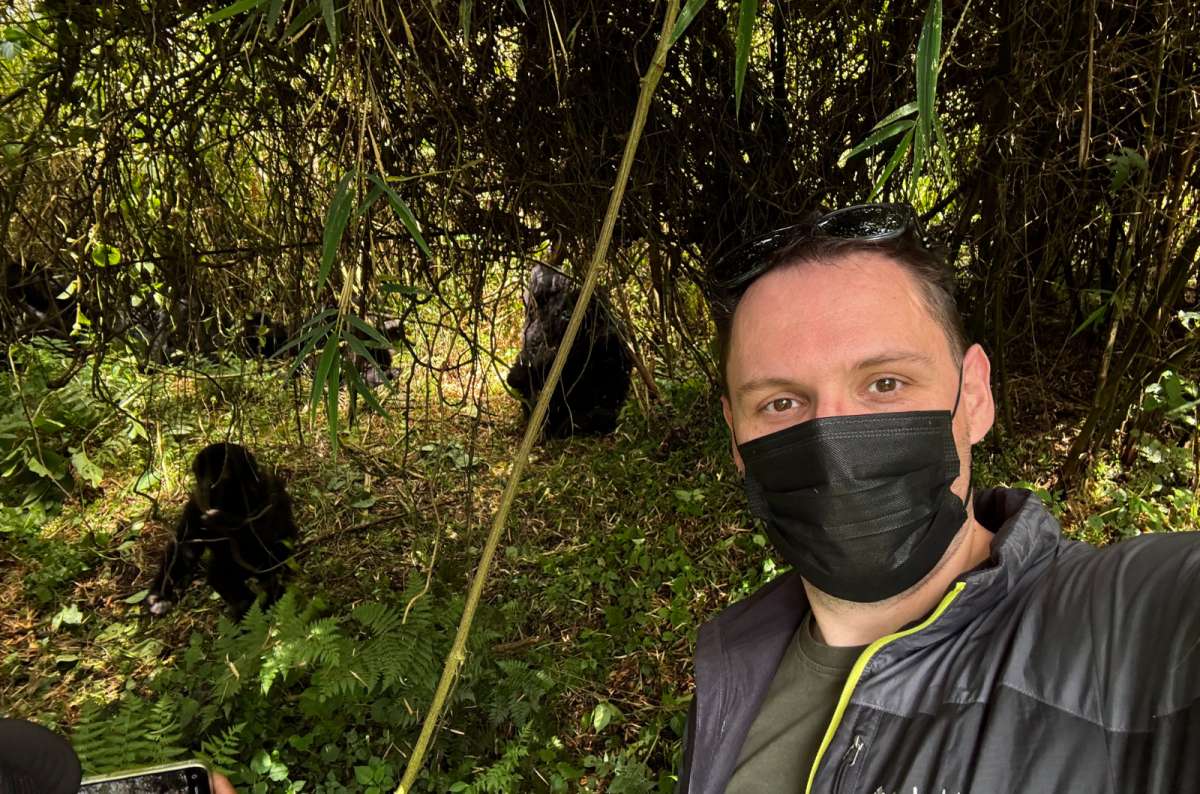
- 10-Meter Observation Distance: Guests must maintain a distance of at least 10 meters (32 feet) from the gorillas at all times. If a curious gorilla steps closer, slowly back away as directed by your ranger.
- Mandatory Mask Wearing: All visitors must wear medical surgical face masks over their mouth and nose when spending time near the gorillas to minimize aerosol transmission risks.
- Health Declarations: Guests who show signs of flu, severe coughing, diarrhea, or contagious illness on trek morning will be barred from forest entry by UWA medical wardens to protect the wildlife.
- Voice and Motion Protocol: Keep your voice low while near the gorillas. Avoid sudden movements, and never flash photographs, as bright bursts can startle the silverback.
- No Littering or Eating: Eating or drinking within 200 meters of the gorillas is forbidden. All trash must be carried back out of the park.
7. A Day in the Life of a Gorilla Trekking Expedition
Knowing what to expect on trek morning helps you feel prepared, calm, and ready for your adventure:
- 06:00 AM – Breakfast at Lodge: Enjoy a hearty breakfast paired with freshly brewed Ugandan coffee or tea, and collect your packed lunch and extra water.
- 07:00 AM – Departure to Headquarters: Drive to your sector's UWA Park Headquarters for check-in and passport validation.
- 07:30 AM – Morning Briefing & Group Division: Gather for an official briefing from the Lead Park Warden covering park history, rules, and safety guidelines. Guests are organized into small groups of eight based on fitness levels and preference.
- 08:00 AM – Trail Departure: Enter the forest accompanied by an armed UWA lead guide, assistant rangers, and your hired porters. Advanced trackers who headed into the forest at dawn will radio your guide with location updates.
- 08:00 AM – 11:30 AM – The Forest Search: Hike through dense forest foliage, across streams, and up ridgelines while learning about native plants, forest birds, and tree species from your guide.
- 11:30 AM – The Gorilla Encounter: Once trackers locate the group, step into their peaceful clearing. Put on your surgical mask, leave your walking sticks with your porter, and enjoy your one-hour observation window with the gorillas.
- 12:30 PM – Forest Retreat & Picnic Lunch: Step back quietly from the gorillas, head to a safe clearing to enjoy your packed lunch, and begin the walk back out of the forest.
- 02:30 PM – Certificate Presentation: Return to park headquarters to receive your official Uganda Wildlife Authority Gorilla Tracking Certificate celebrating your contribution to mountain gorilla conservation.
8. Luxury Safari Itineraries and Accommodation Selection
Combining gorilla trekking with savannah game drives or chimpanzee tracking creates a complete, well-rounded Ugandan safari. Here are three recommended expedition routes designed by Nile Abenteuer Safaris:
Route 1: The 3-Day Express Bwindi Fly-In Safari
Ideal for travelers with limited time. Fly by domestic flight from Entebbe International Airport directly to Kihihi or Kisoro airstrip, transfer to your luxury lodge, complete your gorilla trek on Day 2, and fly back to Entebbe on Day 3.
Route 2: The 5-Day Gorillas & Savannah Wildlife Odyssey
Pairs gorilla tracking in southern Bwindi with game drives in Queen Elizabeth National Park's Ishasha sector—famous for tree-climbing lions—followed by a luxury boat safari along the Kazinga Channel.
Route 3: The 8-Day Grand Primate & Wildlife Safari
The ultimate Ugandan circuit: features habituated chimpanzee tracking in Kibale Forest, savannah wildlife drives in Queen Elizabeth National Park, mountain gorilla tracking in Bwindi, and relaxing boat cruises on Lake Bunyonyi.
Lodge Accommodations by Sector
| Sector / Destination | Ultra-Luxury Category | Classic Luxury Category | Superior Mid-Range Category |
|---|---|---|---|
| Buhoma Sector | Sanctuary Gorilla Forest Camp | Buhoma Lodge / Mahogany Springs | Haven Lodge Buhoma |
| Nkuringo Sector | Clouds Mountain Gorilla Lodge | Nkuringo Bwindi Gorilla Lodge | Gorilla Heights Lodge |
| Rushaga Sector | Four Gorillas Lodge | Chameleon Hill Lodge | Rushaga Gorilla Camp |
| Ruhija Sector | Ruhija Gorilla Safari Lodge | Agandi Uganda Eco-Lodge | Bakiga Lodge |
| Mgahinga National Park | Mount Gahinga Lodge | Gorilla Heights Lodge | Lake Mulehe Safari Lodge |
9. Authoritative Frequently Asked Questions
1. What is the minimum age for gorilla trekking in Uganda?
The strict minimum age for gorilla trekking in Uganda is 15 years old. This regulation is enforced by the Uganda Wildlife Authority due to the physical challenges of forest hiking, safety protocols around wild primates, and children's higher susceptibility to communicable illnesses.
2. How physically demanding is gorilla trekking in Bwindi?
Trekking demands range from moderate to strenuous. Walks can last anywhere from two to eight hours over steep, muddy, and uneven volcanic ground at elevations reaching 2,600 meters. Good cardiovascular base fitness and ankle-supporting hiking boots are strongly recommended.
3. How does Uganda's gorilla trekking compare to Rwanda?
Uganda offers lower permit costs (USD 800 in Uganda versus USD 1,500 in Rwanda), low-season permit discounts (USD 600 in April, May, and November), two distinct national parks, and the exclusive Gorilla Habituation Experience. Rwanda features shorter driving times from its international airport to the park gates, while Uganda provides a wider range of safari ecosystems and lodge styles.
4. What is the difference between gorilla trekking and gorilla habituation?
Standard trekking provides one hour of observation with a fully habituated gorilla group alongside up to eight guests. The Gorilla Habituation Experience allows up to four hours with a semi-habituated family alongside researchers, trackers, and just three other guests.
5. How do I obtain a gorilla trekking permit in Uganda?
Gorilla permits are issued directly by the Uganda Wildlife Authority. To simplify the booking process, manage sector assignments, and handle immediate payment requirements, permits are secured through licensed Ugandan tour operators like Nile Abenteuer Safaris.
6. When is the best time of year to trek mountain gorillas in Uganda?
The dry seasons—June to August and December to February—offer drier trails and easier hiking conditions. However, wet season months (April, May, and November) offer discounted USD 600 permits, quiet forest trails, and lush conditions ideal for photography.
7. What happens if I do not see any mountain gorillas on my trek?
Gorilla sightings in Uganda have a success rate of over 99%. Early morning advance trackers find the gorilla families where they slept and follow their movements, guiding your main group directly to them. In the rare event that a group cannot be found, UWA works with visitors to arrange a second trek or issue partial refunds according to official rules.
8. What should I wear on a gorilla trek in Bwindi?
Wear broken-in waterproof hiking boots, gaiters, tough long trousers tucked into socks, long-sleeved earth-toned shirts, sturdy gardening gloves, and a waterproof Gore-Tex rain jacket.
9. Is gorilla trekking safe for international tourists?
Yes, gorilla trekking in Uganda is exceptionally safe. Highly trained, armed UWA rangers accompany every group into the forest, and southwestern Uganda is peaceful, secure, and well-patrolled by national security forces.
10. Can I participate in gorilla trekking if I have a cold or respiratory flu?
No. Mountain gorillas lack immunity to human respiratory pathogens. Visitors showing signs of cold, flu, coughing, or fever will be barred from forest entry by UWA medical wardens. Nile Abenteuer Safaris will assist with permit rescheduling according to official park policies.
11. How close can I get to a wild silverback mountain gorilla?
Visitors must stay at least 10 meters (32 feet) away from the gorillas at all times. If a gorilla moves closer to you, stay calm, keep low, and follow your ranger's guidance to back away slowly.
12. Why are gorilla trekking permits priced at USD 800?
Permit fees directly fund essential, round-the-clock conservation work, including anti-poaching patrols, veterinary care from the Gorilla Doctors, research, and local community infrastructure projects such as schools, clean water wells, and health clinics.
13. What is the standard tipping etiquette for safari guides, rangers, and porters?
Tipping is voluntary but warmly appreciated. We suggest tipping USD 15 to USD 20 for your personal porter, and USD 10 to USD 20 per traveler for the main ranger team, which can be placed in a shared pool after your trek.
14. Which sector in Bwindi Impenetrable National Park is the best?
Each sector has its own strengths: Buhoma offers gentler trails and top luxury lodges; Ruhija features high altitudes and exceptional birdwatching; Rushaga has the highest number of gorilla families and habituation experiences; Nkuringo delivers panoramic views and rewarding, challenging trails.
15. Are sedan chair services available for disabled or elderly guests?
Yes. Custom sedan chairs carried safely by eight local porters are available for hire at park headquarters for approximately USD 300 to USD 500, allowing travelers with mobility limitations to experience gorilla trekking firsthand.
Plan Your Gorilla Expedition with Nile Abenteuer Safaris
Meeting wild mountain gorillas in their native cloud forest canopy is one of life's most unforgettable journeys. Let our expert safari team manage every detail of your expedition—from permit reservations and private air transfers to luxury lodge arrangements.
Request Your Bespoke Safari Itinerary