
Seasonal Guide to Gorilla Trekking: Month-by-Month Travel Advice
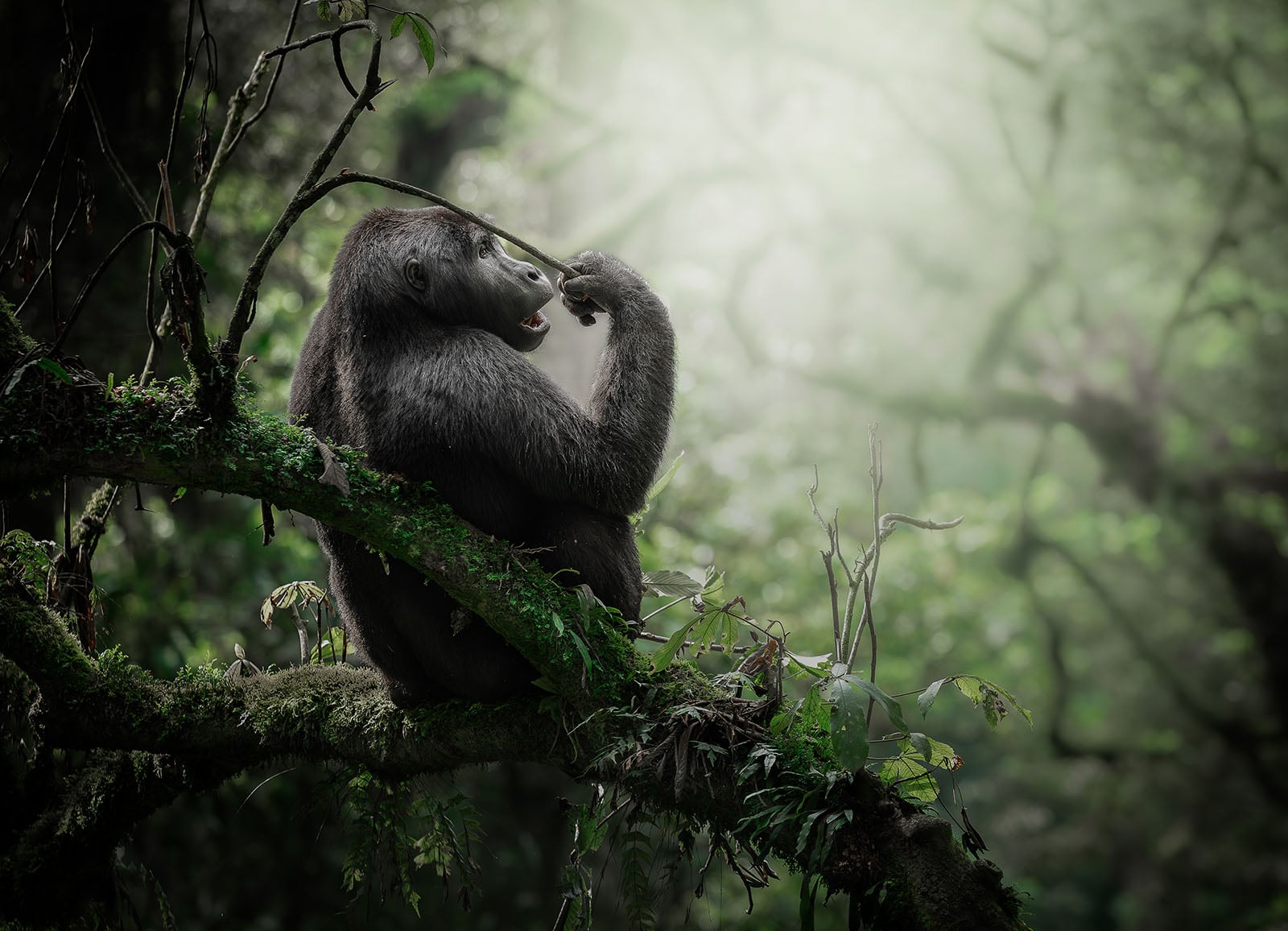
Executive Summary & Seasonal Overview
Mountain gorilla trekking operates 365 days a year in Uganda (Bwindi Impenetrable and Mgahinga Gorilla National Parks) and Rwanda (Volcanoes National Park). Because these parks lie near the Equator at high elevations (1,160m to 3,000m+), rainfall can occur during any month, but distinct weather seasons shape trail conditions, permit demand, and gorilla behavior.
The Peak Dry Seasons (June to August & December to February) offer the firmest trail conditions and lowest rainfall, making them the most popular months. Conversely, the Rainy Seasons (April, May, and November) bring tropical downpours but offer significant advantages: Uganda Wildlife Authority provides USD 600 low-season promotional permits (saving USD 200 per permit), trails are uncrowded, and gorillas frequently descend to lower bamboo zones to feed on fresh shoots, resulting in shorter trekking distances.
Fast Facts: Gorilla Seasons at a Glance
1. Macro-Climate Patterns of East Africa's Primate Forests
The montane cloud forests of Bwindi Impenetrable, Mgahinga Gorilla, and Volcanoes National Parks sit between 1,160 and 3,000+ meters above sea level. This high-altitude equatorial environment generates localized microclimates characterized by morning mist, afternoon convective cloud cover, and rapid weather transitions.

It is vital to recognize that even during the "dry seasons," rain can fall unexpectedly in these ancient rainforests. The primary distinction between seasons is not the absolute absence of rain, but rather the frequency, duration, and intensity of shower events, alongside ground trail drying times.
2. Complete Month-by-Month Gorilla Trekking Breakdown
Below is our detailed field analysis of trekking conditions month by month throughout the calendar year:
January (Peak Dry Season)
Weather & Trail Conditions: Excellent. January brings warm, sunny days with minimal rainfall. Forest trails are dry and firm, making hiking less slick. Clear mountain skies afford magnificent views of the Virunga Volcanoes.
Gorilla Behavior & Logistics: Gorillas roam widely in search of wild fruits and foliage. Permit demand is high; advance booking of 6 to 8 months is required.
February (Peak Dry Season)
Weather & Trail Conditions: One of the driest months of the year. Trails remain firm, stream levels are low, and forest undergrowth is thinner, enhancing visibility for photography.
Gorilla Behavior & Logistics: Outstanding general safari conditions when combined with savannah game drives in Queen Elizabeth or Murchison Falls National Parks.
March (Shoulder Season Transition)
Weather & Trail Conditions: Early March remains relatively dry, with rains increasing toward the end of the month as the "long rains" approach. Trails become muddier, requiring high-cut waterproof boots.
Gorilla Behavior & Logistics: Permit availability opens up, offering great options for travelers planning on shorter notice.
April (Low Rainy Season - Discounted Permits)
Weather & Trail Conditions: Part of the rainy season. Heavy afternoon downpours occur frequently. Forest trails become wet and slippery, making porters indispensable.
Gorilla Behavior & Logistics: Excellent value month. Uganda offers USD 600 low-season permits. Bamboo forests produce abundant young shoots, drawing gorilla families down to lower, easily accessible elevations.

May (Low Rainy Season - Discounted Permits)
Weather & Trail Conditions: Similar to April, May brings lush rainforest greenery and frequent rain showers. Temperatures remain comfortable.
Gorilla Behavior & Logistics: Low visitor numbers mean private or small-group trekking encounters. Discounted USD 600 permits are available in Uganda, and luxury lodges offer attractive seasonal rates.
June (Start of Peak Dry Season)
Weather & Trail Conditions: Rainfall decreases significantly as the major dry season begins. Forest trails dry out quickly, and hiking conditions become favorable.
Gorilla Behavior & Logistics: High demand marks the start of peak summer travel. Permits sell out months in advance.
July (Prime Dry Season)
Weather & Trail Conditions: Peak dry season. Sunny days, low humidity, and firm footpaths make July one of the most popular months for gorilla trekking.
Gorilla Behavior & Logistics: Perfect conditions for combining gorilla treks with savannah wildlife drives and chimpanzee tracking. Permits must be secured 8 to 10 months ahead.
August (Prime Dry Season)
Weather & Trail Conditions: Consistently dry weather across all national parks. Forest trails are firm and easy to navigate.
Gorilla Behavior & Logistics: Peak international travel month. Lodges and gorilla permits operate at maximum capacity.
September (Shoulder Season Transition)
Weather & Trail Conditions: A mild transition month. Rains begin to return late in the month, but trail conditions remain generally good.
Gorilla Behavior & Logistics: Hosts Rwanda's annual Kwita Izina baby gorilla naming ceremony, bringing global conservation leaders and festivities to Musanze/Kinigi.
October (Shoulder Season)
Weather & Trail Conditions: Moderate rainfall begins during the "short rains." Forest undergrowth blossoms into vibrant green.
Gorilla Behavior & Logistics: Gorillas begin feeding on fresh forest shoots. Excellent availability for mid-range and luxury lodging.
November (Low Rainy Season - Discounted Permits)
Weather & Trail Conditions: Short rainy season bringing regular showers. Trails can be slick, but air clarity between showers is exceptional.
Gorilla Behavior & Logistics: Uganda's third USD 600 low-season permit discount month. Migratory birds arrive, making November an outstanding month for birdwatching enthusiasts.
December (Holiday Dry Season)
Weather & Trail Conditions: Rains diminish as the short dry season takes hold. Sunny skies and firm paths return.
Gorilla Behavior & Logistics: Extremely popular for festive holiday travel. Early permit booking is essential for travel between December 20 and January 5.
3. The Strategic Advantages of Low-Season Trekking
While dry season months attract the highest visitor numbers, experienced travelers often choose low-season months (April, May, and November) for distinct reasons:
| Evaluation Factor | Peak Dry Season (Jun–Aug, Dec–Feb) | Low Rainy Season (Apr, May, Nov) |
|---|---|---|
| Uganda Permit Cost | USD 800 per permit | USD 600 per permit (Saves USD 200) |
| Rwanda Permit Options | USD 1,500 standard permit | USD 1,050 low-season combo rate |
| Group Dynamics | Full tracking groups (8 tourists per family) | Intimate tracking groups (often 2 to 4 tourists) |
| Trekking Distances | Gorillas roam higher for wild fruit (2–6 hours) | Gorillas descend to lower bamboo zones (1–3 hours) |
| Lodge Availability | Requires booking 6–10 months in advance | High availability; luxury promotional rates |
4. Primate Ecology: Bamboo Shoots and Seasonal Movements
The distribution of mountain gorilla families is dictated by seasonal plant cycles. During rainy months (April, May, October, and November), young bamboo shoots sprout abundantly in lower-elevation zones (2,300m to 2,500m) in Mgahinga and Volcanoes National Parks.

Because bamboo shoots are high in sugar and moisture, gorilla families descend from higher volcanic ridges to feed in these lower bamboo groves. This natural behavior results in shorter, less physically demanding hikes for tourists during wet months.
5. The Gorilla Photographer's Seasonal Lighting Guide
Wildlife photographers should consider how weather impacts forest lighting and lens care:
| Season Type | Photographic Lighting Characteristics | Recommended Lens & Gear Adjustments |
|---|---|---|
| Dry Season (Harsh Sun) | Bright sunlight creating dark shadows under dense jungle foliage, leading to high-contrast scenes. | Use fast prime lenses (f/2.8) to handle shadow zones; adjust exposure bias to prevent blown-out highlights. |
| Rainy Season (Soft Mist) | Overcast skies provide soft, naturally diffused light that eliminates harsh shadows and enriches forest greens. | Bring waterproof camera rain covers, silica gel packs for dry storage, and microfiber cloths for wiping mist off lenses. |
6. Seasonal Packing Adjustments: Wet vs. Dry Season Gear
Adjusting your packing list according to your travel month ensures maximum comfort on the trail:
- Dry Season Essentials: Breathable long-sleeved technical shirts, wide-brim sun hat, light dust gaiters, light hiking shoes, and UV-filtering sunglasses.
- Wet Season Essentials: Heavy-duty waterproof Gore-Tex rain jacket with sealed seams, mid-calf waterproof gaiters, durable rubber-palm gardening gloves, dry-bag backpack liners, and spare socks.
7. Authoritative Frequently Asked Questions
1. What is the absolute best month for gorilla trekking in East Africa?
July, August, January, and February are widely considered the top months due to low rainfall, dry trails, and clear weather across Bwindi, Mgahinga, and Volcanoes National Parks.
2. Is gorilla trekking possible during the rainy season?
Yes, gorilla trekking runs every day of the year. Rainy season months (April, May, and November) offer low-season permit discounts, uncrowded trails, and shorter hikes as gorillas descend for bamboo shoots.
3. How much do low-season gorilla permits cost in Uganda?
During April, May, and November, the Uganda Wildlife Authority offers promotional permits for USD 600 per person for foreign non-residents (saving USD 200 off the standard USD 800 rate).
4. When do gorillas descend into the bamboo zones to feed on shoots?
Gorillas move down to lower bamboo zones during the rainy months of April, May, October, and November when tender bamboo shoots sprout abundantly.
5. Which months require booking permits furthest in advance?
June, July, August, December, and January require booking 6 to 10 months in advance due to high international travel demand.
6. Does it rain in Bwindi even during the dry season?
Yes. Bwindi is a tropical cloud rainforest, and localized rain showers can occur during any month. Waterproof rain jackets should always be carried in your daypack.
7. Is gorilla trekking easier during the wet or dry season?
Dry season trails are less muddy and easier underfoot. However, wet season treks are often shorter in distance because gorillas feed at lower elevations in bamboo zones.
8. Are low-season gorilla permits refundable or transferable?
Low-season promotional permits require immediate full payment upon confirmation and are non-refundable under standard UWA terms. Nile Abenteuer Safaris manages permit terms during booking setup.
9. Which months offer the best lighting conditions for gorilla photography?
March, April, October, and November offer overcast skies that act as natural light diffusers, reducing harsh forest shadows and producing rich color tones.
10. How cold does it get at night near gorilla national parks?
Due to mountain elevations (1,160m to 2,500m+), nighttime temperatures drop to between 10 degrees and 14 degrees Celsius year-round. Warm fleece layers are recommended for evenings at your lodge.
11. Can I trek gorillas in Uganda during April or May?
Yes, April and May are great months for budget-conscious and solo travelers who want to enjoy USD 600 permit rates, small group sizes, and luxury lodge promotions.
12. What special gear do I need for trekking during the wet season?
Bring mid-calf waterproof gaiters, high-cut waterproof hiking boots, rubber-palm gardening gloves, Gore-Tex rain gear, and waterproof camera covers.
13. How far in advance should I book high-season gorilla permits?
We recommend securing high-season permits (July, August, December) 6 to 10 months prior to travel to guarantee your preferred tracking sector and luxury lodge availability.
14. How does gorilla behavior change between seasons?
Gorillas move higher up ridges in search of wild fruits during dry months and descend to lower bamboo zones during rainy months, altering hike durations.
15. Why should I plan my seasonal gorilla trek with Nile Abenteuer Safaris?
Nile Abenteuer Safaris brings expert local climate knowledge, direct permit reservation access, custom 4x4 Land Cruisers, and luxury lodge partnerships to ensure an extraordinary experience in any month.
Design Your Seasonal Gorilla Trek with Nile Abenteuer Safaris
Whether you prefer dry summer trails or low-season discounted permits, our safari specialists will craft a flawless year-round itinerary tailored to your schedule.
Contact Our Seasonal Travel Specialists