
Complete Uganda Safari Planning Guide
Executive Summary & Planning Overview
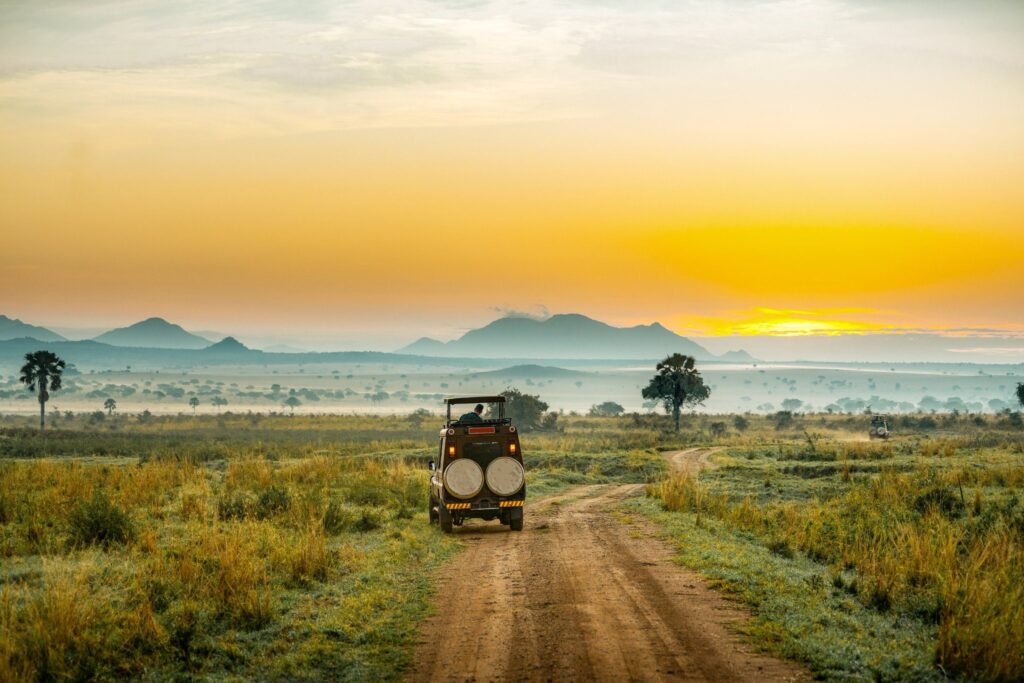
Planning a successful Uganda safari requires coordinating key elements across timing, entry requirements, domestic transport, and primate permit reservations. As East Africa's most diverse wildlife destination, Uganda combines classic savannah game drives with world-class primate tracking in ancient tropical rainforests.
Key logistics include securing your Uganda eVisa or East Africa Tourist Visa online prior to travel, obtaining a mandatory Yellow Fever vaccination certificate, and reserving mountain gorilla permits (USD 800 per permit, or USD 600 during low-season promotional months in April, May, and November) well in advance. Travelers can choose between scenic ground transit in customized 4x4 Land Cruisers or boutique domestic bush flights (Aerolink / Bar Aviation) connecting Entebbe International Airport directly to remote wilderness airstrips.
Fast Facts: Uganda Safari Planning Essentials
1. Best Time to Visit: Weather, Seasons, and Regional Climate
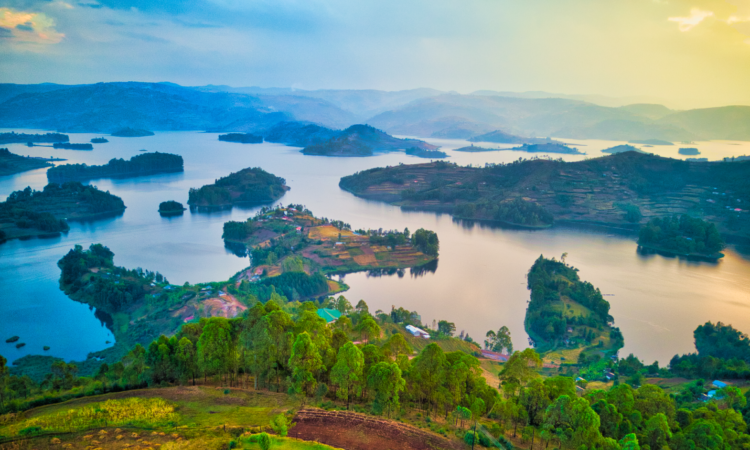
Situated directly on the Equator, Uganda enjoys a tropical climate modified by elevation. Temperatures remain pleasant year-round, typically ranging between 22 degrees and 28 degrees Celsius in most regions, while higher altitude national parks like Bwindi and Mgahinga experience cooler mountain climates.
Seasonal Breakdown
- Peak Dry Seasons (June to August & December to February): The most popular times for travel. Dirt roads are firm, forest trails are dry, and savannah animals gather around water sources like the Kazinga Channel and Victoria Nile, making wildlife easier to spot.
- Green Seasons (March to May & September to November): Characterized by tropical rainfall. The landscape turns lush green, migratory birds arrive from Europe, and national parks are quieter. UWA offers low-season discounted gorilla permits during April, May, and November for USD 600 per permit (saving USD 200 per permit).
2. Entry Requirements: Visas, Passports, and Health Protocols
Border entry into Uganda is streamlined but requires strict compliance with immigration and health regulations before departure:
Passport Validity & Visa Applications
Your passport must be valid for at least six months beyond your planned date of departure and contain at least two blank visa pages. Visa on arrival services at Entebbe International Airport have been phased out; all travelers must apply and pay online via the official government portal (visas.immigration.go.ug) prior to boarding their flight.
Mandatory Yellow Fever Vaccination
An official international Yellow Fever vaccination certificate is strictly mandatory for all travelers aged 9 months and older entering Uganda. Health officials check certificates upon arrival at Entebbe International Airport before allowing passengers to proceed to immigration control.
3. Flights, Gateways, and Internal Bush Flight Networks
All international flights land at Entebbe International Airport (EBB), located on the shores of Lake Victoria, approximately 40 kilometers from the capital city of Kampala. Major international carriers serving Entebbe include Emirates, Qatar Airways, KLM, Turkish Airlines, Brussels Airlines, Ethiopian Airlines, and Kenya Airways.
Domestic Bush Flight Routes
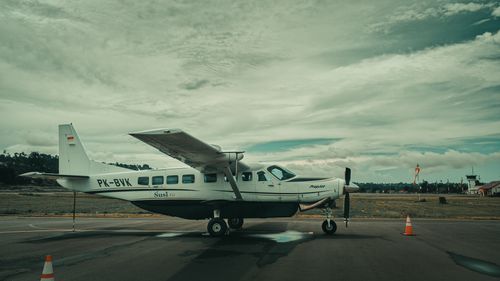
To avoid long overland drives between parks, premier domestic air carriers—including Aerolink Uganda and Bar Aviation—operate scheduled daily flights using Cessna Grand Caravans. Key wilderness airstrips include:
- Kihihi & Kisoro Airstrips: Serving Bwindi Impenetrable National Park and Mgahinga Gorilla National Park.
- Pakuba, Bugungu & Chobe Airstrips: Serving Murchison Falls National Park.
- Mweya & Kasese Airstrips: Serving Queen Elizabeth National Park and the Rwenzori Mountains.
- Kidepo Airstrip: Serving remote Kidepo Valley National Park near the South Sudan border.
4. Uganda's Safari Circuits: Fly-In vs. 4x4 Overland Expeditions
Choosing how you travel between destinations shapes your overall safari pace:
| Expedition Travel Style | Key Operational Features | Ideal Traveler Profile |
|---|---|---|
| Luxury Fly-In Safari | Domestic flights between park airstrips paired with local open-sided 4x4 Land Cruisers stationed at luxury lodges. Minimizes transit times to 45–70 minutes per leg. | Travelers with limited time (5–8 days), families with young children, or guests seeking maximum comfort. |
| Custom 4x4 Overland Safari | Travel in a private 4x4 Toyota Land Cruiser with a pop-up roof and dedicated safari guide throughout your journey. Offers scenic country driving and cultural stops. | Travelers with longer itineraries (9–14 days) who enjoy countryside scenery, rural market visits, and flexible road pacing. |
5. Safari Budgeting, Permit Rates, and Financial Management
Understanding safari pricing helps you allocate funds effectively across lodging, transportation, and activity fees:
| Safari Tiers | Estimated Cost per Person / Day | Inclusions & Accommodation Standard |
|---|---|---|
| Ultra-Luxury Tier | USD 1,200 – USD 2,500+ | Top luxury eco-lodges (Singita, Sanctuary, Clouds), private fly-in charters, high-end meals, private guides, and premium services. |
| Classic Luxury Tier | USD 750 – USD 1,100 | Boutique luxury lodges (Mahogany Springs, Mweya Safari Lodge), custom 4x4 Land Cruisers, scheduled domestic flights, and full-service dining. |
| Superior Mid-Range Tier | USD 450 – USD 700 | Comfortable safari lodges and eco-camps, private custom 4x4 Land Cruisers, and guided game drives. |
Currency & Payment Guidance
The official local currency is the Ugandan Shilling (UGX), used for small purchases, souvenirs, and tips. US Dollars (USD) are widely accepted for safari balances, lodge bills, and activity add-ons.
6. Master Safari Packing Checklist & Gear Advice
Packing light and choosing practical, earth-toned clothing ensures comfort across both savannah drives and forest hikes:
| Gear Category | Essential Packing Items | Technical Advice & Color Notes |
|---|---|---|
| Clothing Fabrics | Lightweight, long-sleeved technical shirts and zip-off hiking trousers. | Choose earth tones: khaki, tan, olive green, and brown. Avoid bright primary colors, dark blue/black (attracts tsetse flies), and camouflage prints. |
| Trekking Gear | Waterproof hiking boots, gaiters, and heavy-duty gardening gloves. | Essential for gorilla and chimpanzee tracking. Gloves protect hands when grabbing vines or thorny branches on steep trails. |
| Layering Gear | Fleece sweater, lightweight down jacket, and Gore-Tex rain shell. | High-altitude mountain mornings in Bwindi can be cold (10–14 degrees Celsius). Rain can fall unexpectedly at any time in rainforest zones. |
| Electronics | Type G UK 3-pin plug adapter, camera with 200–400mm lens, spare batteries, and power bank. | Many remote eco-lodges run on solar power systems and may turn off generator outlets overnight. |
7. Field Health, Malaria Prophylaxis, and Safety Protocols
Uganda is a safe, welcoming destination for international travelers. Following simple travel health advice ensures a smooth, healthy trip:
- Malaria Prophylaxis: Consult your travel clinic prior to departure regarding antimalarial medications (such as Atovaquone-Proguanil/Malarone or Doxycycline). Use insect repellent containing DEET or Icaridin during evening hours.
- Drinking Water: Drink only filtered, bottled, or purified water. Avoid tap water, and choose sealed bottled water supplied in your safari vehicle and lodge rooms.
- Medical Travel Insurance: We recommend obtaining comprehensive medical travel insurance that includes emergency medical evacuation coverage for remote wilderness locations.
8. Cultural Etiquette, Tipping Customs, and Community Tourism
Connecting with Uganda's warm local communities is one of the most rewarding parts of any safari:
Tipping Etiquette Recommendations
- Private Safari Guide / Driver: USD 15 to USD 20 per day per traveler group.
- Gorilla / Primate Tracking Rangers: USD 15 to USD 20 total per trek (placed in the team tipping box).
- Personal Porters on Treks: USD 15 to USD 20 direct payment per porter, plus a USD 5 tip for excellent service.
- Lodge Staff Tipping Box: USD 10 to USD 15 per day per room, distributed among general lodge teams.
Community Tourism Partnerships
We encourage guests to visit local community initiatives, such as the Batwa cultural trail around Bwindi, local coffee washing stations, or women's craft collectives in Rubirizi. These direct cultural visits ensure safari tourism directly benefits local families living alongside wildlife parks.
9. Authoritative Frequently Asked Questions
1. What is the best time of year to visit Uganda for a safari?
The dry season months of June through August and December through February offer the best general safari conditions, firm roads, and easy trail navigation for primate trekking.
2. Do I need a visa to travel to Uganda, and how do I apply?
Yes, foreign travelers require an approved visa. Apply online at visas.immigration.go.ug prior to departure. If visiting Rwanda or Kenya on the same trip, apply for the East Africa Tourist Visa (EATV).
3. Is a Yellow Fever vaccination mandatory for entering Uganda?
Yes, an official Yellow Fever vaccination card is strictly required for all visitors aged 9 months and older entering Uganda, checked upon landing at Entebbe International Airport.
4. How many days should I allocate for a Uganda safari?
We recommend 7 to 10 days for a well-paced safari combining gorilla trekking, chimpanzee tracking, and savannah game drives. For a comprehensive grand circuit, allow 12 to 14 days.
5. How much does a full Uganda safari cost per person?
Costs range from USD 450–USD 700 per person per day for superior mid-range safaris, up to USD 1,200–USD 2,500+ per day for ultra-luxury fly-in safaris, inclusive of lodging, permits, transfers, and guided activities.
6. Is it better to fly between parks or drive in a 4x4 Land Cruiser?
Domestic bush flights save significant time, turning 8-hour drives into quick 45-minute flights. Driving in a private 4x4 Land Cruiser offers scenic countryside views and opportunities for local community stops.
7. What airport should I fly into for a Uganda safari?
All international flights land at Entebbe International Airport (EBB), located 40 kilometers from Kampala along Lake Victoria.
8. Can I combine gorilla trekking with a traditional savannah game drive?
Yes, Uganda excels at combining both experiences. Destinations like Queen Elizabeth National Park and Lake Mburo sit just a short drive from Bwindi Impenetrable National Park.
9. Is Uganda safe for international tourists and solo travelers?
Yes, Uganda is widely regarded as a safe, peaceful country for international travelers. Tourist regions and national parks are actively patrolled by dedicated UWA rangers and tourism security personnel.
10. What currency should I bring to Uganda?
Bring clean US Dollar bills printed in 2013 or newer for major payments and tips. Use local ATMs in Entebbe or Kampala to withdraw Ugandan Shillings (UGX) for minor local purchases.
11. What malaria precautions should I take before traveling?
Consult a travel health professional regarding antimalarial tablets (such as Malarone). Apply insect repellent containing DEET during evening hours and wear long sleeves after dusk.
12. What electrical plug adapter is used in Uganda?
Uganda uses Type G 3-pin rectangular British electrical plugs operating on a 240V supply voltage.
13. What is the standard tipping etiquette on a Uganda safari?
Tip your private safari guide USD 15 to USD 20 per day, personal tracking porters USD 15 to USD 20 per trek, and lodge staff USD 10 to USD 15 per day via the lodge tipping box.
14. What clothing should I pack for savannah drives vs forest trekking?
Pack lightweight, earth-toned cotton shirts and trousers for savannah drives. For rainforest trekking, bring waterproof hiking boots, gaiters, heavy-duty gardening gloves, and rain jackets.
15. Why should I book my safari with Nile Abenteuer Safaris?
Nile Abenteuer Safaris provides expert local guidance, direct gorilla permit booking, customized 4x4 Land Cruisers, and hand-selected luxury lodge partnerships, delivering smooth, unforgettable East African travel experiences.
Start Planning Your Uganda Safari Today
Let our team of safari planning experts design your custom East African itinerary, handle permit reservations, and coordinate luxury lodge stays.
Contact Our Safari Travel Directors