
Uganda: Africa's Undisputed Birding Capital — And Why Nile Abenteuer Safaris Is the Team to Take You There
Over 1,000 species, 24 Albertine Rift endemics, and the easiest shoebill sightings on the planet. Here's why serious birders are putting Uganda at the top of their list — and why Nile Abenteuer Safaris is the operator built specifically for them.
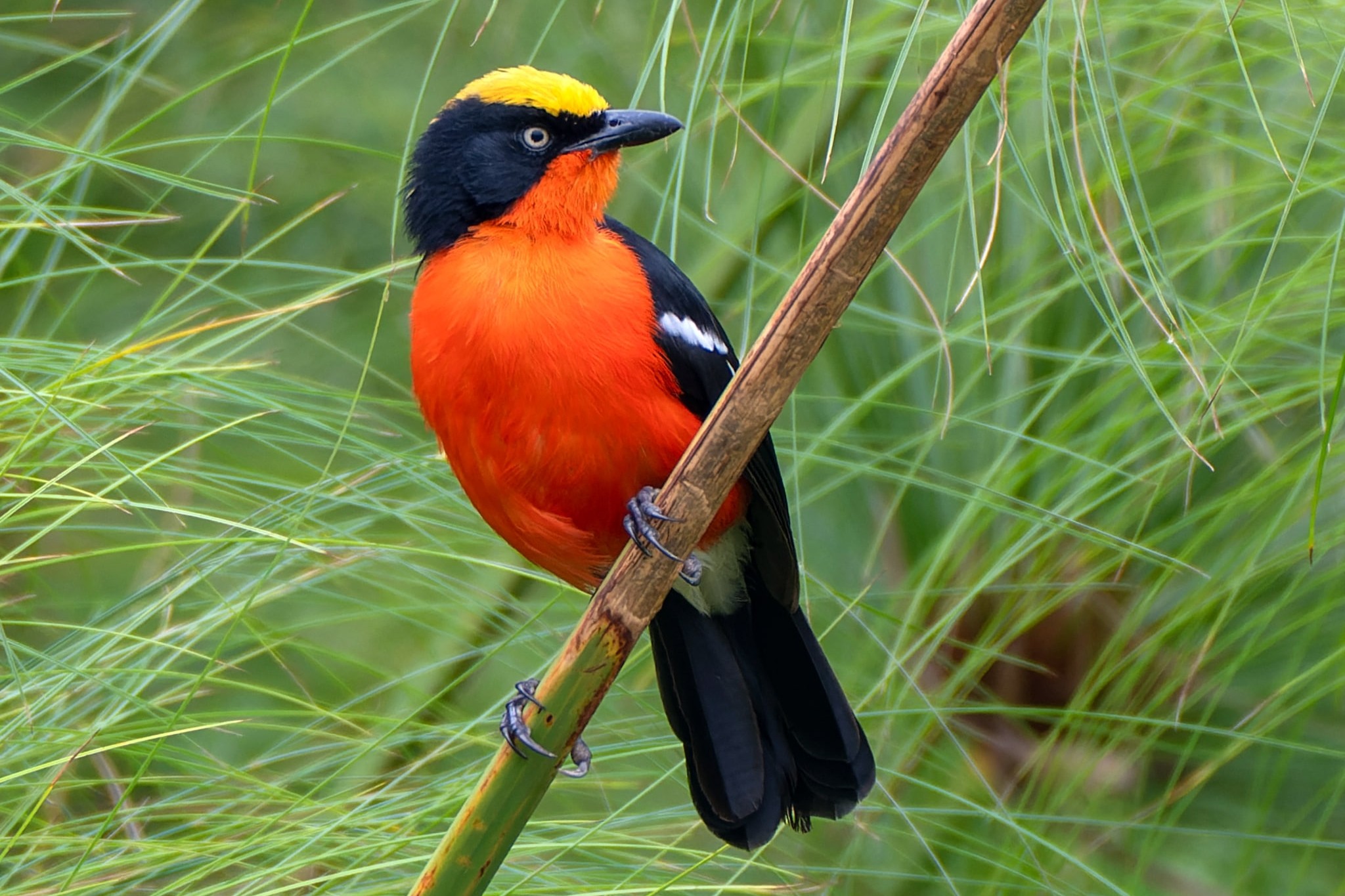
Uganda's wetlands, forests, and savannahs collide within a few hours' drive of each other — a birder's dream.
Ask any serious birder to name Africa's best birding destination, and increasingly, the answer isn't Kenya, South Africa, or Tanzania. It's Uganda. Tucked between the eastern savannah, the western Congo rainforest belt, and the northern semi-arid zones, this small, landlocked country punches far above its size, hosting somewhere between 1,050 and 1,090 recorded bird species — roughly half of everything on the African continent, and around 10% of every bird species on Earth.
At Nile Abenteuer Safaris, we've built our entire operation around this single fact: Uganda isn't just a place to go birding. For the density, diversity, and sheer accessibility of its birdlife, it may be the place.
Why Uganda Beats the Rest of Africa for Birders
Most African safari countries specialize in one or two habitat types — savannah in Kenya, desert in Namibia, fynbos in South Africa. Uganda is different. Within a single well-planned itinerary, you can move from the lowland rainforest of Semuliki, to the montane forests fringing the Rwenzori Mountains, to the open acacia savannah of Queen Elizabeth National Park, to the vast papyrus wetlands around Lake Victoria — all in the space of ten to fourteen days.
- Queen Elizabeth National Park alone holds over 600 recorded species, the richest count of any protected area in East Africa.
- Semuliki National Park, an extension of the Congo Basin rainforest, harbors dozens of Guinea-Congo biome species found almost nowhere else on the continent.
- Mabamba Bay Wetland offers what is arguably the most reliable shoebill stork sighting anywhere in the world.
- The Albertine Rift, running along Uganda's western border, is home to 24 of the region's 25 endemic bird species — found in this narrow highland strip and virtually nowhere else on Earth.

The shoebill — Uganda's most sought-after bird, and often the single reason birders book their first trip here.
Accessibility: The Underrated Advantage
Species counts are only half the story. What sets Uganda apart is how easy it is to actually reach these birding hotspots. Good roads, a small geographic footprint, friendly communities, and a mature safari infrastructure mean you spend your mornings and evenings in the field with your binoculars up — not stuck on transfer days. A guide who knows exactly which back road, canoe launch, or forest trail to use on a given morning can be the difference between a good trip and a life list-changing one.
This Is Exactly Where Nile Abenteuer Safaris Comes In
We are not a general tour company that also happens to offer a birding add-on. Birding is the core of what we do. Our guides carry species checklists specific to each region, know the call notes of Albertine Rift endemics by ear, and plan every itinerary around dawn chorus timing, tidal wetland conditions, and seasonal migration windows — not just convenient lodge transfer schedules.
Whether you're chasing your first shoebill, working on your Africa life list, or leading a specialist birding group that expects a guide who can identify a call from three hundred meters away, Nile Abenteuer Safaris designs the trip around your list — not the other way around.
Ready to start planning your Uganda birding safari?
Talk to Nile Abenteuer Safaris about your custom itinerary →