
The Complete Packing Checklist for a Uganda Birding Safari
What our guides actually recommend guests bring — and the few things that regularly get left at home.
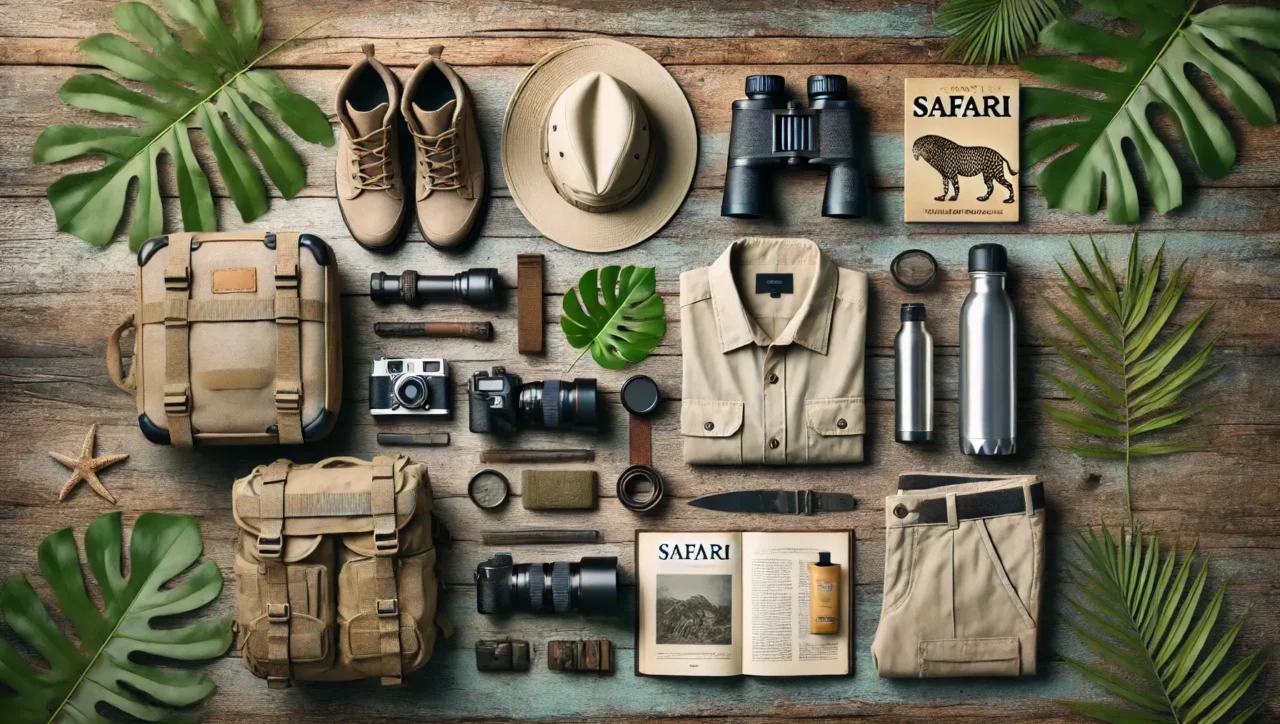
Good gear won't get you the shoebill — but it will keep you comfortable enough to enjoy the two hours of waiting that might.
We get asked about packing on nearly every pre-trip call, so we've put together the list we actually give clients — built from years of watching what gets used every day versus what sits in the bottom of a duffel bag.
Optics & Field Gear
- Binoculars (8x42 or 10x42) — the single most important item you'll pack. Bring your own rather than relying on rentals; familiarity with your own optics matters more in the field than raw magnification.
- A spotting scope (optional but valuable) for wetland sites like Mabamba and the Kazinga Channel, where distant waterbirds benefit from extra reach.
- A regional field guide or birding app loaded before departure, since connectivity in forest areas can be limited.
- A notebook or voice recorder for logging sightings in the field.
Clothing
- Neutral-toned clothing (khaki, olive, grey) — avoid bright colors and pure white, which can flush birds and attract insects.
- A lightweight, breathable long-sleeve shirt and trousers for sun and insect protection.
- A packable rain jacket, even in the dry season — equatorial showers can appear with little warning.
- Sturdy, broken-in walking shoes or light hiking boots for forest trails; waterproof boots for wetland and swamp excursions.
- A wide-brimmed hat and buff or scarf for dusty savannah drives.

Neutral tones aren't just tradition — they genuinely improve your sighting odds.
Health & Comfort
- Malaria prophylaxis, prescribed before travel in consultation with your doctor.
- Insect repellent with a high DEET or picaridin concentration for wetland and forest sessions.
- Sunscreen and lip balm with SPF — equatorial sun is stronger than it feels.
- A reusable water bottle; we provide refill points throughout each day.
- A basic personal first-aid kit with any regular medication, clearly labeled.
Photography
- A telephoto lens (400mm+) if bird photography is a priority — many species, especially forest specialists, don't allow close approach.
- Spare batteries and memory cards; charging opportunities can be limited at remote forest lodges.
- A rain cover or dry bag for camera gear during wetland canoe excursions.
Documents & Money
- Passport with at least six months' validity and any required visa, arranged ahead of arrival.
- Yellow fever vaccination certificate, required for entry into Uganda.
- Travel insurance covering medical evacuation.
- A mix of US dollars (post-2013 notes) and local shillings for tips and incidentals.
What Guests Regularly Forget
Spare binocular strap, a headlamp for early departures, and — surprisingly often — a printed or downloaded target species list. Our guides are always happy to prioritize your morning around a specific wish list, but it helps enormously if you arrive with one in hand.
Want a personalized packing list based on your exact itinerary?
Ask Nile Abenteuer Safaris before you book →